Need tree removal services in Springfield?
Send a request with a few details about your tree. A provider in our network will reach out to talk timing, access and a written quote.
No obligation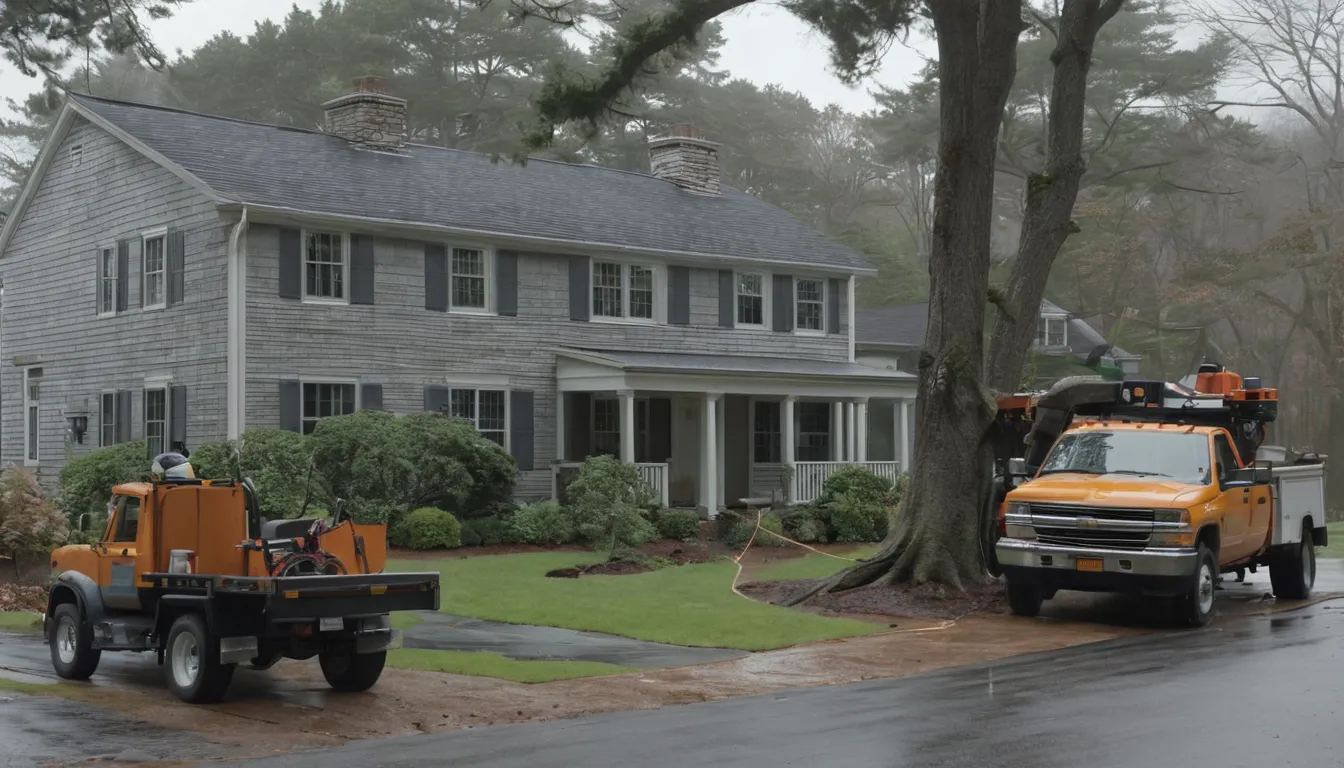
If a tree is dead, leaning or sitting on your roof, you want a straight answer. Here it is: a trained provider should take it down, not you. Tree work is risky. Wood is heavy and it can move in ways you do not expect.
Rollingvenue Tree Service is a referral service. Providers do the work. We connect homeowners in Springfield and the Springfield area with independent local tree providers who handle cutting, lowering and hauling. You can ask about timing, set a work window that fits school and job routines, and get a written quote before anything starts. Prices vary by job, so ask questions first.
Is the tree on a house, a car or a power line? Get everyone out of the danger zone. Call 911 for fire, injury or a downed line. Then bring in a provider for the wood.
Request a callback to check provider availability for storm tree clearance in Springfield.
Emergency means danger now. Think of a trunk on the roof, a split limb hanging over the driveway, or a tree blocking the only way out. A leaning tree after a coastal storm counts too. Many providers can respond quickly to these jobs. Ask for the safest first step, such as cutting off only the part that touches the house.
Treat every line as live. Do not touch the tree or stand under it. The utility company handles the lines. A provider handles the wood once the area is safe.
Most jobs fall into a few groups:
Look for deep cracks, mushrooms at the base, lifted soil, and dead branches in a green crown. One sign is a reason to ask. Two or three is a reason to ask soon.
The plan is simple. A provider looks at the tree, the yard and the way in. Then the work starts at the top.
If there is open space, the tree may be felled in one piece. Near a house, fence or wires, crews cut it in sections and lower each one with ropes. Cranes help with very large or tight jobs.
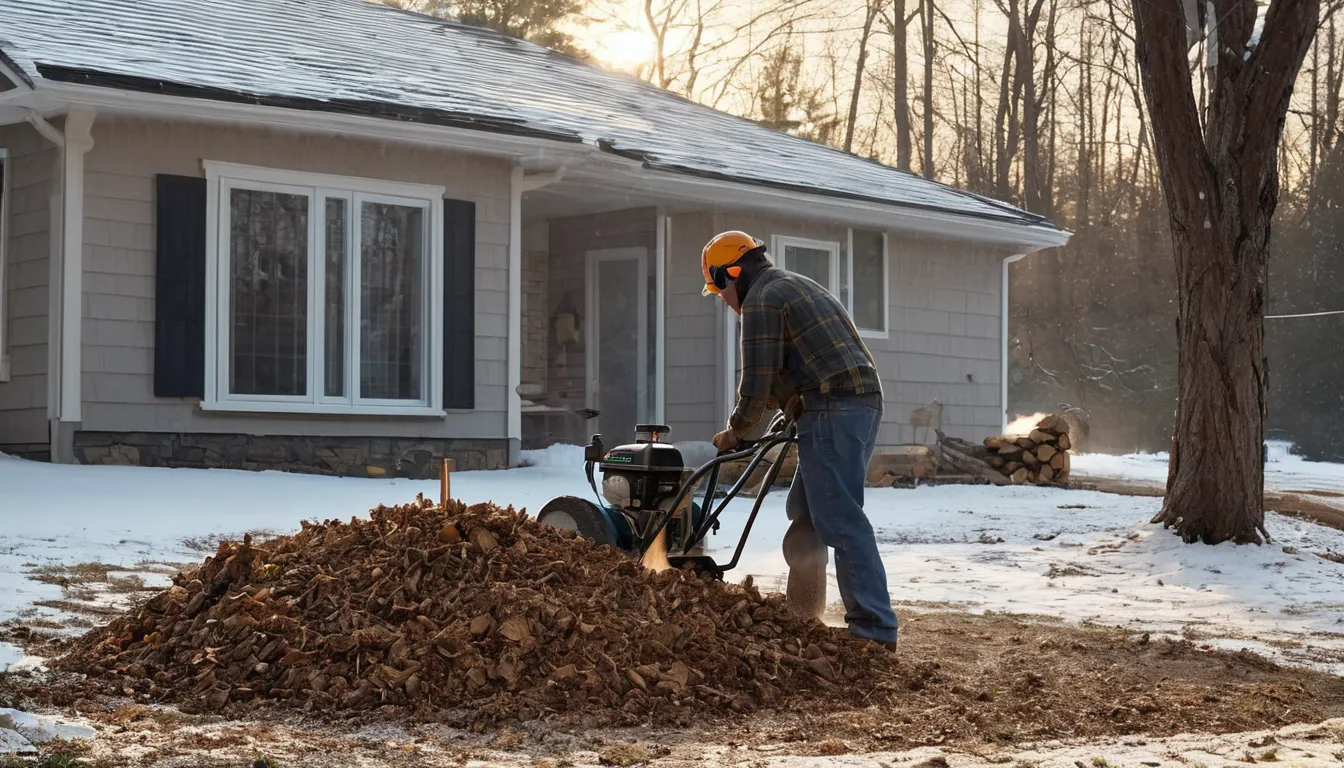
The wood is cut into pieces. Branches go through a chipper. Ask if hauling is in the quote. Ask if you can keep logs for firewood.
You can help before and after. Move cars. Clear toys, bikes and patio chairs. Pick up small branches from the ground once the crew is done.
Do not climb. Do not run a chainsaw above your shoulders. Do not cut a tree that is bent or pinned under another one. That wood can snap back. Professional gear and training exist for a reason.
Busy house? Say so. Tell the provider about school runs, shift work, naps and pets. Ask for an arrival window, and ask how long the job should take. Many removals finish in a day, but big or tricky trees can take longer.
Size is the biggest factor. Access comes next. A tree in a tight backyard behind a multi-family building costs more to take down than one by an open driveway. Health matters too. Dead wood is less predictable and needs more care. Storm jobs, crane work and haul-away change the total. Always get a written quote.
Some towns want a permit for larger trees, protected species, or trees near wetlands or the coast. Others need none. Check with your city or town office before work starts. If the tree sits on a property line, talk to your neighbor first. Renters and multi-family owners should ask the landlord or owner.
Providers in our network are independent, so check the details yourself. Ask for these:
Be careful with anyone who pushes you to pay everything up front.
Park cars away from the work area. Walk the yard with the provider and point out sprinklers, buried lines and fragile plants. Keep kids and pets indoors. Show the crew where trucks can park.
Check the yard for debris and ruts. Spring snowmelt can leave soft ground, so heavy trucks may leave marks. A stump will remain unless the quote says otherwise. Many homeowners add stump grinding. Some policies may cover sudden storm damage, so check your policy. Providers can often help document damage for a claim.
Request a callback to talk through your next step.
Providers cut the tree down in one piece or in sections, depending on how much room your yard has.
Fallen or hanging trees and limbs are cut away from roofs, fences, cars and driveways.
Limbs, logs and brush can be chipped or hauled off. Confirm this is listed in your written quote.
Ropes and cranes lower heavy pieces near homes and wires, so wood does not drop on your property.
Prices depend on tree size, access, health and cleanup. These are typical U.S. ranges only. Your local quote may be higher or lower, so ask for a written estimate before the work begins.
| Job type | Typical range | Notes |
|---|---|---|
| Small tree, under 30 ft | $150 – $500 | Open access keeps the price down |
| Medium tree, 30 – 60 ft | $400 – $1,200 | Rigging may add cost near buildings |
| Large tree, over 60 ft | $1,000 – $3,000+ | Height and trunk width drive the price |
| Storm or emergency job | $1,000 – $5,000+ | Depends on risk, damage and equipment |
| Crane-assisted removal | $1,500 – $5,000 | Used when access is very tight |
| Haul-away of wood and debris | $75 – $400 | Often listed as a separate line |
Describe the tree, where it is and what it is near, such as a roof or wires.
Rollingvenue Tree Service connects you with an independent provider in the Springfield area who handles this kind of job.
Check the scope, cleanup, permit needs and timing. Ask questions before you agree to anything.
Set a start time that fits your household. The provider then does the removal and cleanup.
Ask for work windows that fit school runs, jobs and family routines, so the day stays calm.
Get clear information on safety, price and timing before you decide on anything.
Independent local providers cut, lower and haul. Rollingvenue Tree Service connects you and stays out of the work.
Share your tree problem once and skip the long search for someone who is available.
Send a request with a few details about your tree. A provider in our network will reach out to talk timing, access and a written quote.
No obligationSigns include dead branches, deep cracks, fungus at the base, a new lean, and roots lifting the soil. If the tree is near your home, ask a provider to look at it before the next storm.
Only very small trees you can reach from the ground. Anything tall, leaning or near a house or wires needs a professional. Chainsaws and falling wood cause serious injuries.
Some policies may cover sudden damage, such as a tree falling on your house during a storm. Dead or unhealthy trees often are not covered. Check your policy, and providers can often help document damage.
Send a request with a few details about your tree. A provider in our network will reach out to talk timing, access and a written quote.
No obligation